Serengeti National Park
- Typical window
- Jan–Mar in the south; Jun–Oct west and north
- Strength
- Migration scale, lion, cheetah
- Trade-off
- Herd position shifts; vast distances between areas
Eight parks, described by what they reliably offer, what they ask of you, and where opinion takes over from evidence.
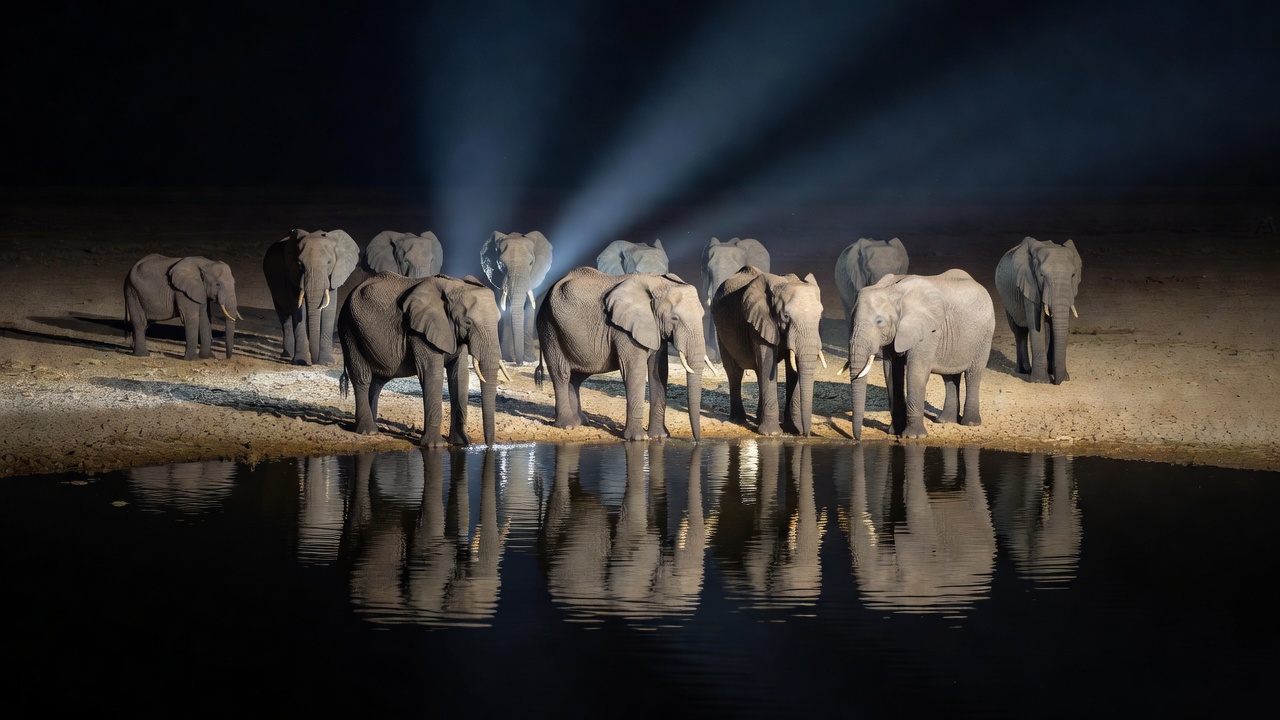
Safari brochures tend to describe every destination as the best. That is not dishonest so much as unhelpful: each park really is the best at something, and the something matters. The Serengeti is unrivalled for the scale of its migration herds. The Okavango Delta offers a water-based safari almost nowhere else can match. Kruger makes self-driving straightforward in a way that the remote Zambian valleys never will. The useful question is not which park is best, but which park is best at the thing you care about most.
We compare parks on six practical considerations: the typical wildlife window, the main strength, how you get there, crowding, camp style and photographic character. These are things that can be checked, discussed and revisited. We deliberately avoid star ratings. A rating hides the trade-off you most need to see — for instance, that the Maasai Mara’s extraordinary cat density comes with more vehicles at sightings, or that the Okavango’s exclusivity comes with a high nightly cost.
Where we write “typically”, we mean it. Wildlife concentrations follow rainfall, and rainfall shifts. A park profile tells you what to expect in an ordinary year, not what you will see on your dates.
Showing all 8 parks.
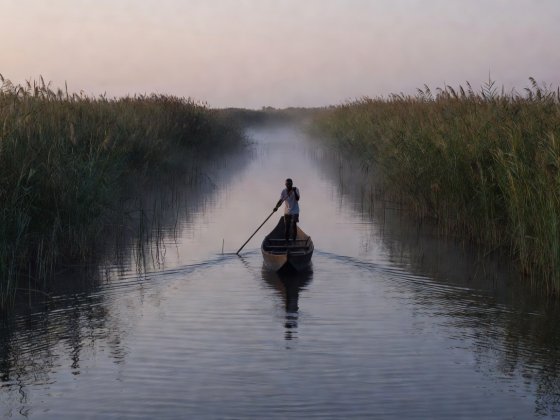 Botswana
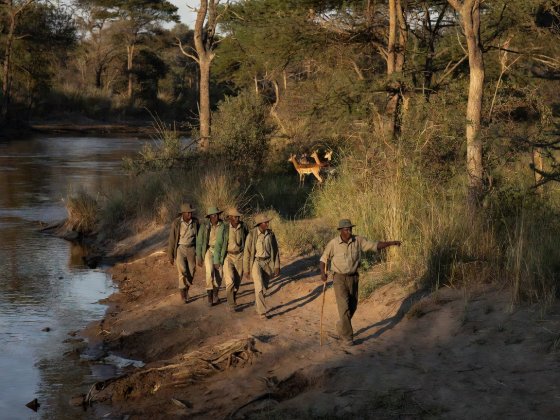 Zambia
| Consideration | First park | Second park |
|---|
When planners argue about parks, they are usually arguing about one of three different things, and it helps to know which.
Access, camp density, vehicle rules and seasonal rainfall are reasonably stable. Private concessions in Botswana and the conservancies bordering the Maasai Mara, such as Naboisho and Olare Motorogi, limit vehicle numbers by design. Kruger’s public roads do not. The Ngorongoro Crater has daily descent limits and set hours. These facts let you predict the texture of a day before you arrive.
Whether a tented camp under canvas feels romantic or simply cold at 5 a.m. is preference. So is whether you would trade a leopard sighting shared with eight vehicles for an empty plain with distant giraffe. There is no right answer, and a good plan names these preferences rather than smuggling them in as facts.
The timing of the Mara River crossings, the height of the Okavango flood, and the date the short rains arrive in Kenya all vary year to year. Even predator sightings in famously reliable areas like the Sabi Sand depend on territories that shift. We flag this uncertainty openly so you can decide how much of your trip you want to stake on a single event.
Once you know which priority leads, the comparison usually narrows to two or three parks. From there, the wildlife calendar and the route ideas help you decide when and in what order.